November 12, 2026
The transition toward renewable energy sources requires significant infrastructure development, reshaping rural and suburban landscapes. At the core of this shift lies a complex process of converting vacant land into a renewable powerhouse. People see the gleaming panels soaking up the sun, but the visual result obscures the logistical hurdles overcome prior to activation. Executing solar farm installations demands meticulous coordination, rigorous environmental studies, and extensive physical labor. These facilities emerge through calculated stages of development.
Understanding this undertaking reveals the magnitude of green energy expansion. Planners must balance ecological preservation with grid demands, ensuring each facility maximizes energy output without degrading the local habitat. From the initial soil test to the final electrical connection, every phase involves distinct challenges. The groundwork dictates the long-term viability of the entire site. Exploring these obscured procedures sheds light on the reality of building sustainable power generation systems for the future.
Analyzing the Environmental Landscape
Before a shovel breaks the soil, developers conduct exhaustive evaluations of the proposed location. Topography plays a crucial role in determining whether a parcel of land can support immense arrays. Surveyors map the contours of the earth, identifying steep slopes or unstable ground that might compromise structural integrity. Sun exposure receives equal scrutiny, as shading from nearby mountains or vegetation diminishes energy capture.
Ecological impact remains a paramount concern during these early evaluations. Biologists comb the area to locate protected flora, mapping out exclusionary zones to preserve local biodiversity. The sheer scale of solar farm installations means minor disruptions require mitigation plans. Soil samples provide data on drainage capabilities and load-bearing strength, dictating the mounting systems required. Developers must guarantee the land will not erode beneath the metal frameworks.
Water flow and drainage patterns dictate the site's resilience against severe weather events. Hydrologists design stormwater management systems to prevent runoff from damaging adjacent properties. Altering the natural landscape changes how rain interacts with the earth, necessitating retention ponds to absorb excess moisture. Addressing these hydrological shifts prevents soil erosion from undermining the panel foundations.
Grid proximity represents the final hurdle of the assessment phase. A location boasting perfect sunlight holds no value if it sits too far from existing transmission lines. Engineers evaluate the capacity of nearby substations to handle the anticipated influx of power. Upgrading grid infrastructure incurs substantial costs. Finding the perfect intersection of ecology, geography, and infrastructure defines success.
Navigating the Permitting Bureaucracy
Transitioning from theoretical blueprints to approved projects involves traversing a maze of local, state, and federal regulations. Zoning boards review applications to ensure proposed facilities align with community development plans. This phase requires developers to present findings from the environmental assessments. Public hearings give residents a platform to voice concerns regarding aesthetics, construction noise, and property values.
Public opinion plays a substantial role in the pace of regulatory approval. Despite occasional local resistance, broader sentiment favors adopting renewable energy. According to Solstice, 89% of Americans are in support of more solar farms. This broad consensus helps propel policy changes, yet local administrators demand thorough documentation before granting permits. The bureaucratic timeline stretches as agencies deliberate over traffic patterns and decommissioning plans.
Securing environmental clearances represents a distinct facet of the paperwork labyrinth. State wildlife commissions review the biological surveys to confirm no endangered habitats face destruction. Because large-scale solar farm installations alter significant tracts of land, mitigation strategies involve protecting acreage elsewhere to offset the development footprint. These mandates transform industrial sites into dual-use habitats, contributing to the regional biosphere.
Finalizing the interconnection agreement solidifies the project's economic viability. Utility companies conduct exhaustive interconnection studies to determine how the new power influx affects grid stability. This agreement outlines the technical requirements for the facility to synchronize with the alternating current of the broader network. The signing of this contract signals the end of the bureaucratic phase and the beginning of physical mobilization.
Preparing the Physical Foundation
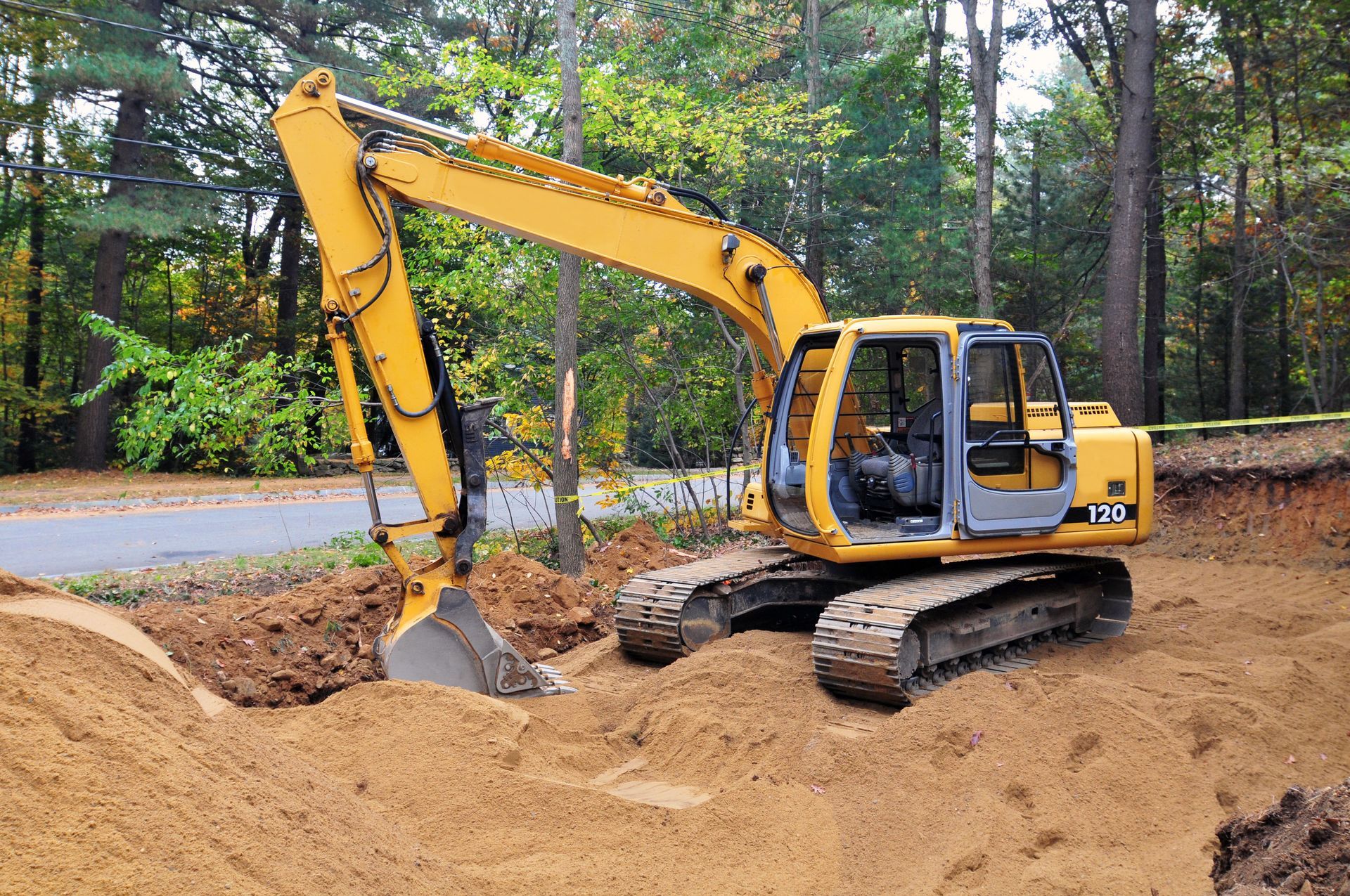
With permits secured, construction crews arrive to transform the raw landscape into a functional industrial zone. The initial step involves clearing obstructive vegetation and grading the soil to create a uniform surface. While modern solar farm installations accommodate minor topographical variations, severe slopes require leveling. Heavy bulldozers and graders scrape the earth, while operators maintain strict adherence to the approved stormwater management plans. Removing large debris prevents damage to underground wiring.
Following the grading process, workers install perimeter fencing to secure the work zone. Security remains a priority due to the high value of materials and the inherent dangers of electrical equipment. Fences keep local wildlife away from the construction zones. Access roads take shape alongside the fencing, laid with durable gravel to support the immense weight of delivery trucks.
The foundation of the entire system relies on the installation of steel piles. Pile drivers pound thick metal posts deep into the earth, anchoring the future arrays against extreme weather. The depth of these piles depends on the soil analysis conducted earlier. This structural skeleton must possess incredible durability to support the weight of the panels over years of continuous operation.
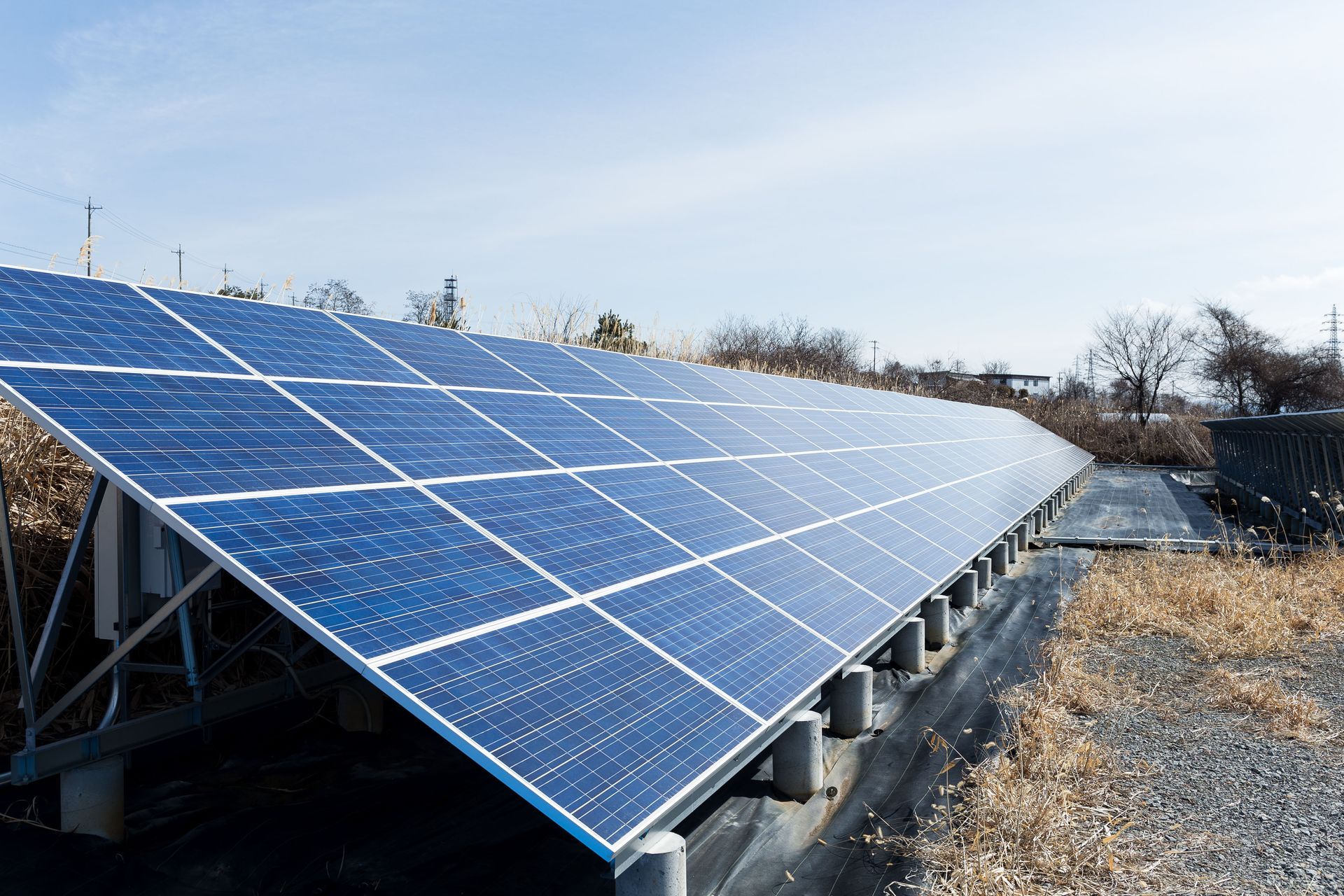
Once the vertical piles stand secure, assemblers attach the horizontal racking systems. These metal frames serve as the direct mounting surface for the photovoltaic technology. Advanced facilities utilize tracking systems, incorporating motorized pivots that allow the arrays to follow the sun. The completed metal framework stretches across the landscape in neat rows, resembling an expansive geometric grid awaiting its components.
Connecting the Electrical Infrastructure
With the racking complete, teams begin the delicate task of mounting the photovoltaic modules. Laborers maneuver the glass sheets into position, securing them to the metal rails with specialized clamps. This repetitive process requires stamina and precision, as dropped panels result in shattered glass. Quality control supervisors inspect the rows to confirm that every module sits flush and secure.
Beneath the arrays, a complex network of wiring begins to take shape. Electricians connect individual panels in series, creating strings that consolidate the direct current. Trenching machines dig deep channels along the rows, providing an underground pathway for the heavy cables. Burying the lines protects them from weather degradation. Proper cable management prevents voltage drops and ensures optimal energy transfer.
The direct current collected from the field must undergo conversion before entering the utility grid. Massive central inverters, housed in weather-proof enclosures, transform the incoming power into alternating current. These vital machines act as the heart of the facility. Heat dissipation mechanisms keep the inverters cool during peak production hours. Step-up transformers then elevate the voltage for transmission.
The final electrical hurdle involves synchronizing the internal system with the external grid. Engineers communicate with utility dispatchers, running commissioning tests to verify the power quality matches grid standards. Large-scale solar farm installations must demonstrate grid compliance before receiving permission to operate. Upon passing these stringent evaluations, the main breakers close, and the facility begins feeding clean electricity into the network.
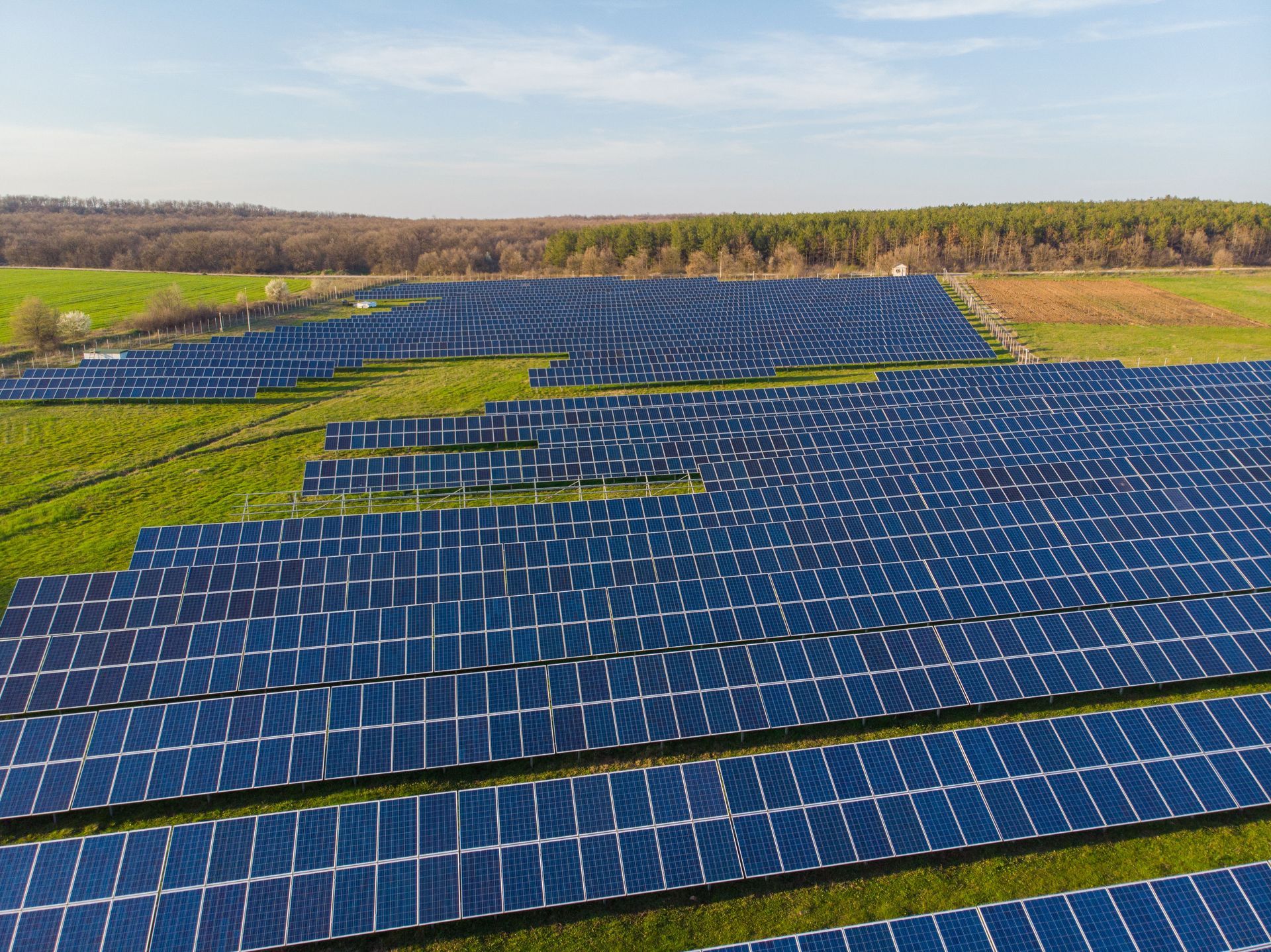
The journey from an empty parcel of land to an operational power plant involves vast amounts of labor, planning, and engineering. The public seldom witnesses the deep trenches or the meticulous biological surveys. They only see the finished product absorbing the daylight. Yet, the success of modern solar farm installations hinges on the diligence applied during these hidden phases. Proper execution safeguards the land while maximizing the harvest of the sun.
As the demand for clean energy grows, these complex construction projects will become common features of the global landscape. Each completed site represents a triumph of logistical coordination and environmental stewardship. By acknowledging the monumental effort required to construct these facilities, society gains a deeper appreciation for the transition away from fossil fuels. Building a sustainable world starts from the ground up. If you are ready to break ground on a renewable energy project, let us at Miller Brother's Excavation handle the heavy lifting. Contact our team today to discuss how we can lay a solid foundation for your future solar farm installations.