August 7, 2026
Starting a residential construction project is an exciting venture that transforms your living space and adds immense value to your property. Whether you are building a new home, adding an extension, putting in a pool, or installing a new septic system, the foundational work is where everything begins. Many homeowners feel a mixture of anticipation and anxiety when the heavy machinery arrives on their property. Understanding what happens during this phase can help ease your mind and allow you to prepare your property and your family for the upcoming transformation. The initial step always involves hiring a professional excavation contractor who possesses the expertise, specialized machinery, and technical knowledge required to prepare your land safely and efficiently. By partnering with the right team, you can ensure that the entire process moves forward smoothly, minimizing disruptions to your daily routine while establishing a solid foundation for the future structures that will grace your property. This initial phase sets the tone for your entire build, making clarity and communication essential. Realizing that your land is undergoing a critical transition allows you to appreciate the meticulous effort involved in shifting earth and securing your investment.
Understanding the Site Evaluation Process
Before any heavy machinery rolls onto your grass, a significant amount of preparatory work must take place behind the scenes. A qualified excavation contractor will begin the journey by conducting a thorough assessment of your property. This evaluation involves studying the layout of the land, examining the soil composition, and identifying potential obstacles that could complicate the digging process. During this phase, the team will also mark the exact boundaries of the work zone to ensure precision. Utility lines, such as water, gas, electricity, and telecommunications, must be clearly identified and marked by local authorities to prevent dangerous and disruptive accidents. Homeowners should expect a fair amount of foot traffic during this period as technicians and specialists survey the area, take measurements, and map out the blueprint for the digging phase. This careful preparation ensures that every subsequent movement of earth is executed with absolute precision and in total alignment with your architectural plans, eliminating guesswork. This foundational scrutiny protects your investment long before the physical labor begins.
Clearing the Land and Removing Debris
Once the planning and marking stages are complete, the physical transformation of your property truly begins. This phase is characterized by the removal of everything that stands in the way of the upcoming construction. Trees, brush, stumps, large rocks, and any existing structures must be cleared from the designated work zone. An experienced excavation contractor utilizes heavy equipment like bulldozers and excavators to efficiently strip away the vegetation and topsoil. This topsoil is often stockpiled in a separate area of the property so that it can be reused later for landscaping purposes once the main construction is finished. Homeowners should be prepared for a noticeable increase in noise and vibration during this stage, as clearing dense vegetation and moving massive roots requires significant mechanical power. This step is vital because creating a completely clean slate is the only way to ensure the long-term stability of the structures that will eventually be built upon the ground, giving your future home a secure perimeter. Clearing ensures that subterranean biological material does not decay later and cause structural shifting over time.
Executing the Actual Digging Stage
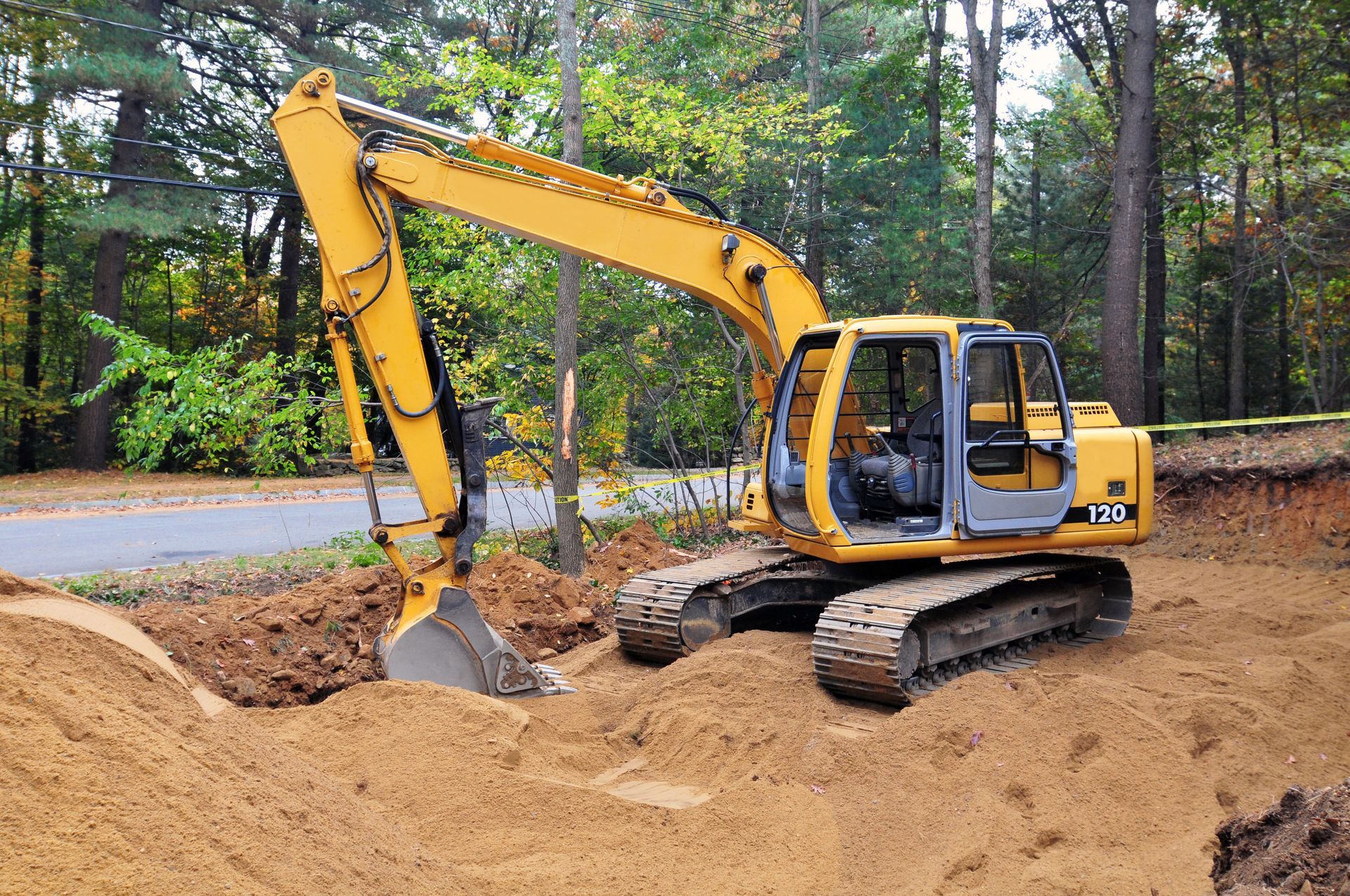
With the surface cleared, the primary digging phase can finally commence. This is the stage that most people picture when they think about moving Earth. Heavy machinery will begin carving out the precise shapes and depths required for your specific project, whether that involves a foundation for a new home, a trench for utility lines, or a cavity for a backyard swimming pool. The duration of this phase depends heavily on the scale of your project and the nature of your ground. According to HomeGuide.com, the clearing process requires anywhere from one to three days for smaller assignments, whereas it can span past three weeks for massive sites or properties featuring difficult terrain like rocky soil, a rock shelf, or major boulders that require removal. Throughout this intense phase, the excavation contractor must constantly monitor the depth and slope of the trenches to ensure they meet engineering standards. Precision is absolutely critical here, as even a minor deviation from the blueprints can lead to structural issues later during the building phase, making expert operation indispensable.
Managing the Soil and Grading the Site
As earth is removed from the ground, managing the massive volume of displaced dirt becomes a major operational task. A skilled excavation contractor does not simply pile dirt randomly around your yard; instead, they manage the soil strategically. Some of the excavated material may be kept on site to be used as backfill, which is the process of putting soil back into the trenches or around the newly constructed foundation walls to provide stability and support. Any excess dirt that is not needed for backfill or landscaping must be loaded onto large dump trucks and hauled away from your property. Following the digging and backfilling, the team will focus on grading the site. Grading involves smoothing and sloping the ground to ensure that rainwater flows away from your home's foundation rather than pooling around it. Proper grading is an essential element of water management that protects your residential investment from future flooding, erosion, and moisture damage, ensuring long-term peace of mind. A correctly sloped yard keeps your lower levels dry and safeguards your landscape investment from washing away during heavy downpours.
Ensuring Safety and Compliance Throughout
Safety is a paramount concern during any earthmoving project, given the heavy machinery involved and the inherent risks of deep trenches. A reputable excavation contractor adheres to strict safety protocols to protect the workers, your family, and your property. This includes installing safety fencing around open pits, securing the heavy machinery at the end of each workday, and ensuring that trenches are properly shored up to prevent cave-ins. Furthermore, the project must comply with local building codes, environmental regulations, and zoning laws. Inspectors may visit the site at various intervals to verify that the work meets all legal and structural requirements before the next phase of construction can begin. Homeowners can expect the team to maintain a clean and orderly workspace as much as possible, though a certain amount of mud, dust, and disruption is unavoidable. Knowing that a team of professionals is overseeing these strict safety measures provides immense peace of mind throughout the disruptive process, ensuring everyone remains secure and protected from potential hazards.
Preparing your property for a major construction project requires patience, cooperation, and a clear understanding of the steps involved. While the heavy equipment, noise, and temporary alteration of your landscape can feel overwhelming, remembering that this phase is the literal foundation of your dream project helps keep things in perspective. Choosing an experienced excavation contractor ensures that every phase, from the initial site evaluation to the final grading, is handled with the highest level of professionalism and care. If you are ready for a seamless and professional digging experience on your property, contact us at Miller Brother's Excavation today. We will help you prepare your land efficiently and set the stage for a successful residential building project that will stand strong for generations to come.