September 11, 2026
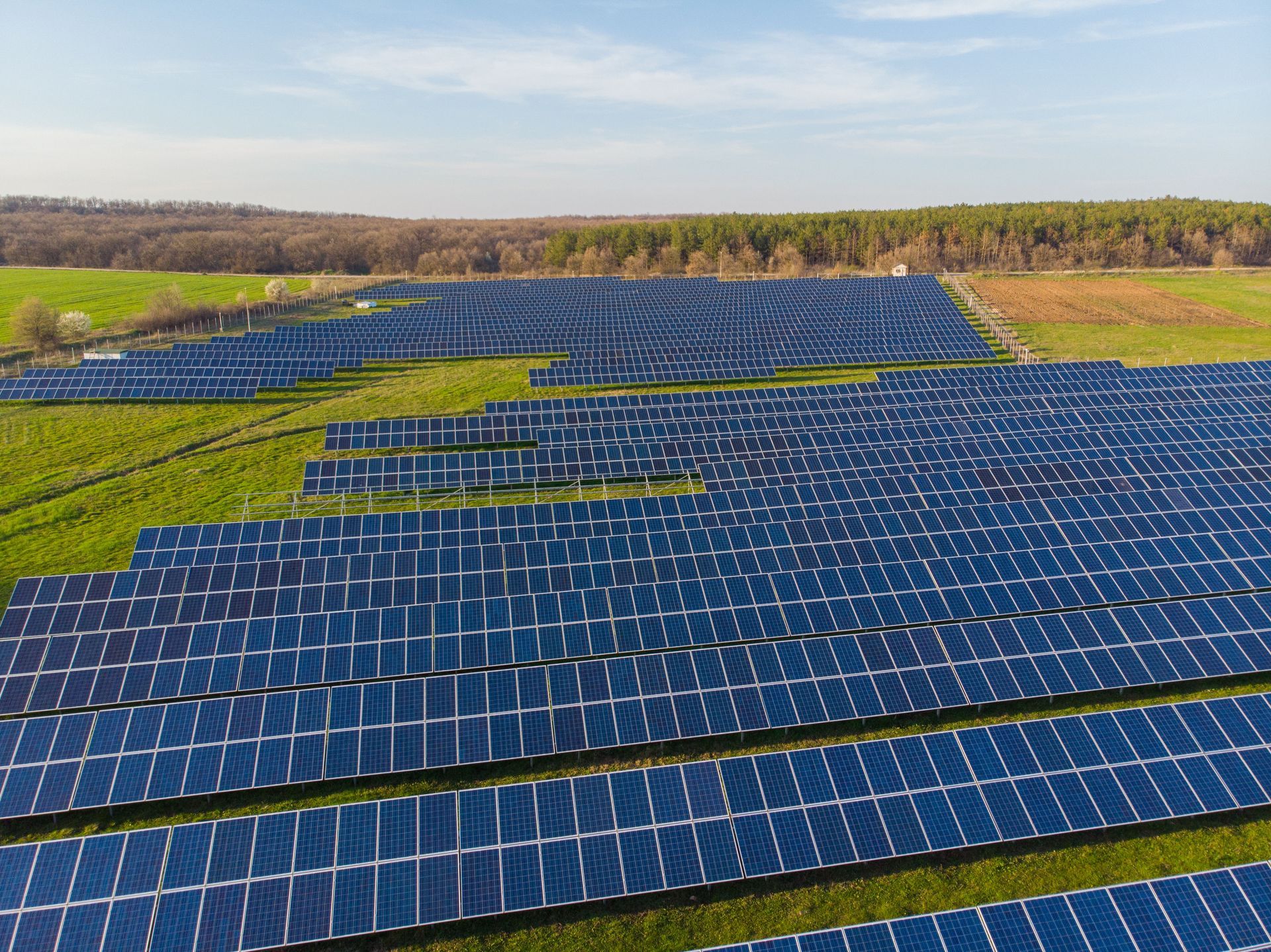
The world's growing demand for renewable energy has sparked interest in solar farms, which harness the power of the sun to generate electricity. Solar energy is experiencing phenomenal growth worldwide, becoming a cornerstone of a sustainable future. According to Solstice, nearly 90% of Americans support more solar farms, indicating robust interest and backing. As awareness of environmental concerns increases, more landowners are exploring the potential of turning their lands into power-generating hubs. Keep reading to explore the various benefits, considerations, and impacts of developing a solar farm, elucidating why it is an increasingly viable option for various stakeholders.
Assessing the Financial Benefits
Initial Costs and Investment Analysis
Transforming land into a solar farm requires upfront capital for infrastructure development. The expenses associated with a solar farm installation include solar panel acquisition, grid connection, and land preparation. However, these costs are offset by the long-term benefits and financial returns generated by selling electricity. Analyzing the initial investment against potential revenue streams provides a clearer picture of financial viability. Detailed feasibility studies and financial planning are crucial for informed decision-making.
Tax Incentives and Government Subsidies
One of the most compelling financial advantages of solar farms is the array of tax incentives and government subsidies available in many regions. These benefits significantly lower the initial investment burden, enhancing the project's attractiveness. Programs such as the Investment Tax Credit (ITC) provide a substantial reduction in solar project expenses, often leading to quicker ROI. Additionally, state-specific incentives can further improve the financial outlook for solar initiatives. Utilizing these incentives is key to achieving maximum financial gain.
Revenue Streams: Selling Energy and Leasing Land
Revenue from solar farms primarily comes from selling electricity to the grid or leasing land to utility companies. Selling energy ensures a consistent return based on power generation and sale agreements in place. Leasing land to solar developers offers an alternative, hands-off revenue stream where the developer manages the operational aspects. This flexibility allows landowners to choose models that align with their financial and operational preferences. Crafting strategic partnerships with energy companies can optimize these revenue opportunities.
Long-term Financial ROI (Return on Investment)
Executing a successful solar farm installation can generate a solid long-term financial return with the potential to significantly surpass initial costs over time. ROI in solar projects is subject to factors such as location, energy pricing, and technological efficiency. With decreasing costs of solar technology and increasing energy prices, the returns can be attractive. Moreover, owning a solar farm offers a hedge against rising energy costs, protecting future financial security. Evaluating long-term projections is vital for anticipating financial outcomes.
Case Studies of Profitable Solar Farms
Examining case studies of successful solar farms provides valuable insights into their potential profitability. Across various regions, numerous solar farms have reported impressive financial outcomes due to favorable conditions and effective management. These examples highlight how strategic planning, leveraging incentives, and proper site selection contribute to success. Learning from existing projects can guide new developments and help mitigate challenges. Personal stories and experiences underscore the viability and benefits of solar investments.
Environmental Impact and Sustainability
Reducing Carbon Footprint
Solar farms play a vital role in reducing the carbon footprint by providing a clean energy alternative. By decreasing reliance on fossil fuels, solar energy reduces greenhouse gas emissions, contributing to climate change mitigation. A large-scale solar farm installation can power numerous homes and businesses with zero emissions, highlighting its environmental impact. Switching from non-renewable to renewable energy sources is a crucial step in achieving global climate targets. Solar farms, therefore, serve as a pivotal tool for environmental stewardship.
Sustainability and Future of Renewable Energy
Solar farms embody the principles of sustainability by utilizing an inexhaustible natural resource: sunlight. As technological advances decrease the cost and increase the efficiency of solar installations, the scalability of solar farms continues to improve. Unlike traditional energy sources, solar power offers no adverse environmental impact from its operations, aligning with long-term environmental goals. The future of energy is steeped in renewable solutions, with solar energy leading the charge for a sustainable world. Exploring solar energy options today positions stakeholders favorably for future energy landscapes.
Positive Effects on Local Ecosystems
Solar farms provide opportunities to enhance local biodiversity and habitat preservation through design considerations. Installing solar panels with thoughtful spacing allows natural vegetation growth, benefiting pollinators and ground-dwelling species. These practices create a harmonious balance between energy generation and habitat conservation. Solar farms can also encourage regeneration of degraded lands, promoting environmental health. Enhancements in land management practices can lead to ecological improvements, establishing advantageous conditions for local ecosystems.
Community and Global Environmental Responsibility
Transitioning to renewable energy sources like solar farms reflects a commitment to environmental responsibility, both locally and globally. Community solar projects, in particular, foster collaborative local involvement and accountability for energy choices. By prioritizing greener energy solutions, societies contribute to global efforts combatting climate change and pollution. Such projects also raise awareness and educate the public on renewable energy's benefits. Ultimately, solar farms embody a collective stride towards a sustainable environmental future.
Comparing Solar Farms to Other Renewable Energy Sources
Solar farms are part of a broader suite of renewable energy solutions including wind, geothermal, and hydroelectric power. While each technology has merits, a solar farm installation offers unique advantages like scalability and ease of deployment. Unlike wind turbines, which require irregular gusts, solar panels provide consistent energy during sunny conditions. While each technology serves different roles, solar farms are uniquely positioned due to their low operational impact and adaptability. Evaluating these technologies allows stakeholders to make informed renewable energy decisions.
Legal and Regulatory Considerations
Permits and Zoning Requirements
Developing a solar farm necessitates navigating various permits and zoning laws that govern land use. Local regulations may dictate specific site preparations, design stipulations, and operational standards to ensure alignment with regional goals. Achieving zoning approval often requires demonstrating the project's benefits to the community and minimal disruption to the surroundings. Consulting with local agencies and complying with regulations are key steps in the development process. Awareness of these legal aspects streamlines the path from initial planning to full solar farm installation.
Understanding Land Use and Leasing Laws
Solar farm projects deal with complex land use and leasing agreements that require careful negotiation. Land leases often stipulate length, payment terms, and conditions for adaptation, emphasizing clarity and mutual understanding. Ensuring that lease agreements comply with legal standards prevents disputes and complications during the project's lifespan. Engaging legal expertise to draft agreements aligns stakeholders with relevant laws and protects interests. Properly structured contracts provide a solid foundation for development and operation.
Compliance with Federal and State Regulations
Federal and state regulations govern the development and operation of solar farms, setting safety, environmental, and operational standards. Navigating these intricate regulations requires thorough knowledge and adherence to guidelines governing every solar farm installation. Ensuring compliance involves detailed paperwork and potential audits to conform with legal expectations. Understanding and meeting these requirements enhances credibility, reduces risks, and ensures community trust. Proactive engagement with regulatory bodies establishes a framework for successful solar development.
Navigating Power Purchase Agreements (PPAs)
Power Purchase Agreements (PPAs) serve as critical contracts between solar farm owners and energy consumers or utility companies. They define terms for electricity sale, pricing, and responsibilities, ensuring mutually beneficial arrangements. Structuring favorable PPAs guarantees steady revenue streams and clarity in operational processes. Professional guidance in crafting these agreements ensures compliance and maximizes benefits for all parties involved. Successful PPA negotiation is vital for the financial and operational success of solar projects.
Planning a project for solar farm installation presents a compelling opportunity for financial growth, environmental stewardship, and community advancement. With substantial support for solar energy adoption, landowners can leverage this momentum for economic and ecological benefit. Solar farms offer a viable, sustainable energy solution that contributes positively to local and global communities. Embracing solar energy investments captures the essence of forward-thinking development, embodying both profitability and sustainability. To unlock these potential benefits, explore renewable energy transitions with Miller Brother's Excavation today, and ensure a sustainable future for generations to come.